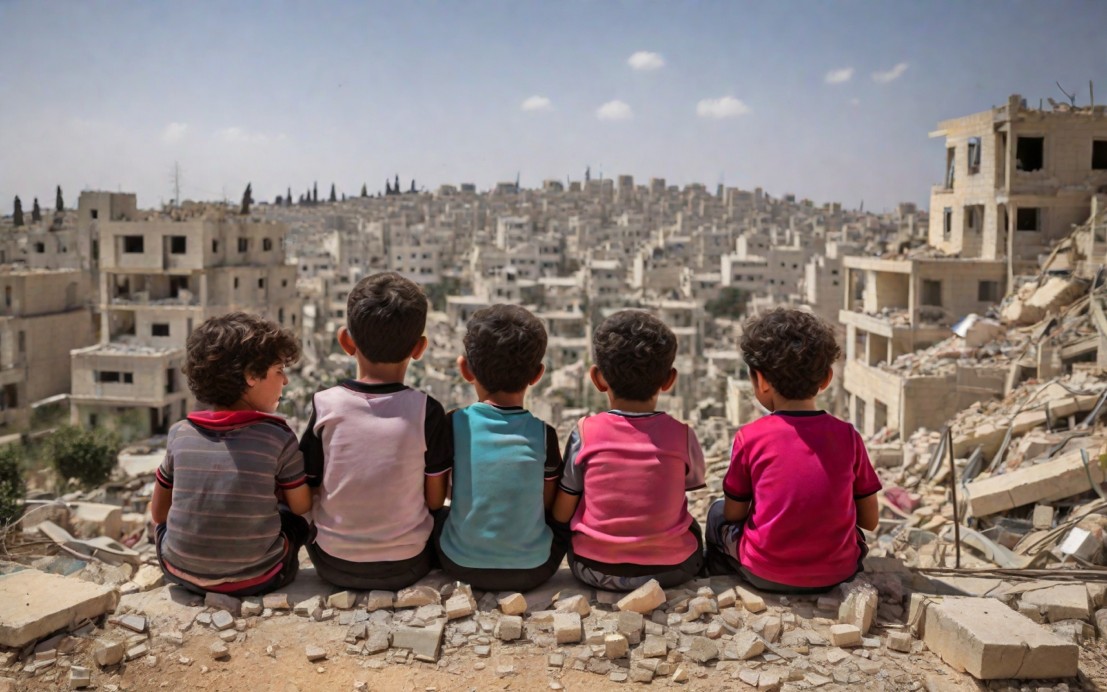
Play helps Palestinian children heal
Play offers a critical lifeline for children in Palestine, providing a way to process trauma, rebuild confidence, and reclaim moments of childhood that war has taken from them. For children who have experienced profound loss, displacement, and violence, play is not a luxury—it is a vital part of healing.
? Healing Through Movement and Expression
Trauma often lives in the body and is difficult to articulate. Play-based activities give children a non-verbal outlet to release tension and express feelings they may not have words for.
Dance and Movement: In the Nuseirat refugee camp, children attend a dance school where they practice breakdancing and modern dance. A coach explained that the movements are based on scientific principles to help children release psychological stress, especially for those suffering from post-traumatic stress disorder (PTSD) . Fourteen-year-old Habiba shared that she uses the school to release negative emotions and enjoy the happiness the dance brings .
Art and Drawing: Organizations like SOS Children's Villages Palestine use drawing as a key art therapy methodology. It allows children to express their inner feelings without shyness, and then share those feelings with a group, which helps them learn to express themselves positively . UNRWA also invites children to draw, shape clay, and color, which one 14-year-old described as "the best moments of my day" .
Theatre and Cultural Arts: UNESCO-supported programs use theatre sessions to help children express themselves through performances and storytelling. Traditional activities like Dabkeh dance and group singing also foster a sense of community and joy, helping children connect with their cultural heritage .
? Rebuilding Confidence and Connection
Play helps children adapt to altered realities and reconnect with their peers, countering the isolation and helplessness that conflict creates.
Sports for Amputee Children: In Gaza City, children who have lost limbs play football on crutches. For eleven-year-old Malak, who lost her leg and her entire family, football is "the only thing that makes me feel happy" and helps her forget her injury and difficult daily life . The coach of the Palestine Amputee Football Association says the goal is to help children overcome psychological trauma, adapt to their new reality, and regain self-confidence .
Safe Spaces for Play and Learning: UNICEF and partners have established temporary learning spaces where children can play and feel safe. These spaces provide moments of normalcy and hope amid crisis . In partnership with the READ Foundation, War Child UK supports Temporary Learning Spaces that include "TeamUp" sessions using play and movement to help children process stress, strengthen friendships, and rebuild resilience .
? Play as a Developmental Necessity
For young children, play is how they develop essential language, motor, and social-emotional skills. Recognizing this, UNICEF has brought recreational and Early Childhood Development kits into Gaza. These kits, containing toys, notebooks, pencils, and crayons, support children's learning, wellbeing, and resilience, benefiting more than 375,000 children .
We wish them all the best.
By Jamuna Rangachari
-new.png)

Discussion (0)
No comments yet. Be the first to comment!
Leave a Comment
You need to login to post a comment.