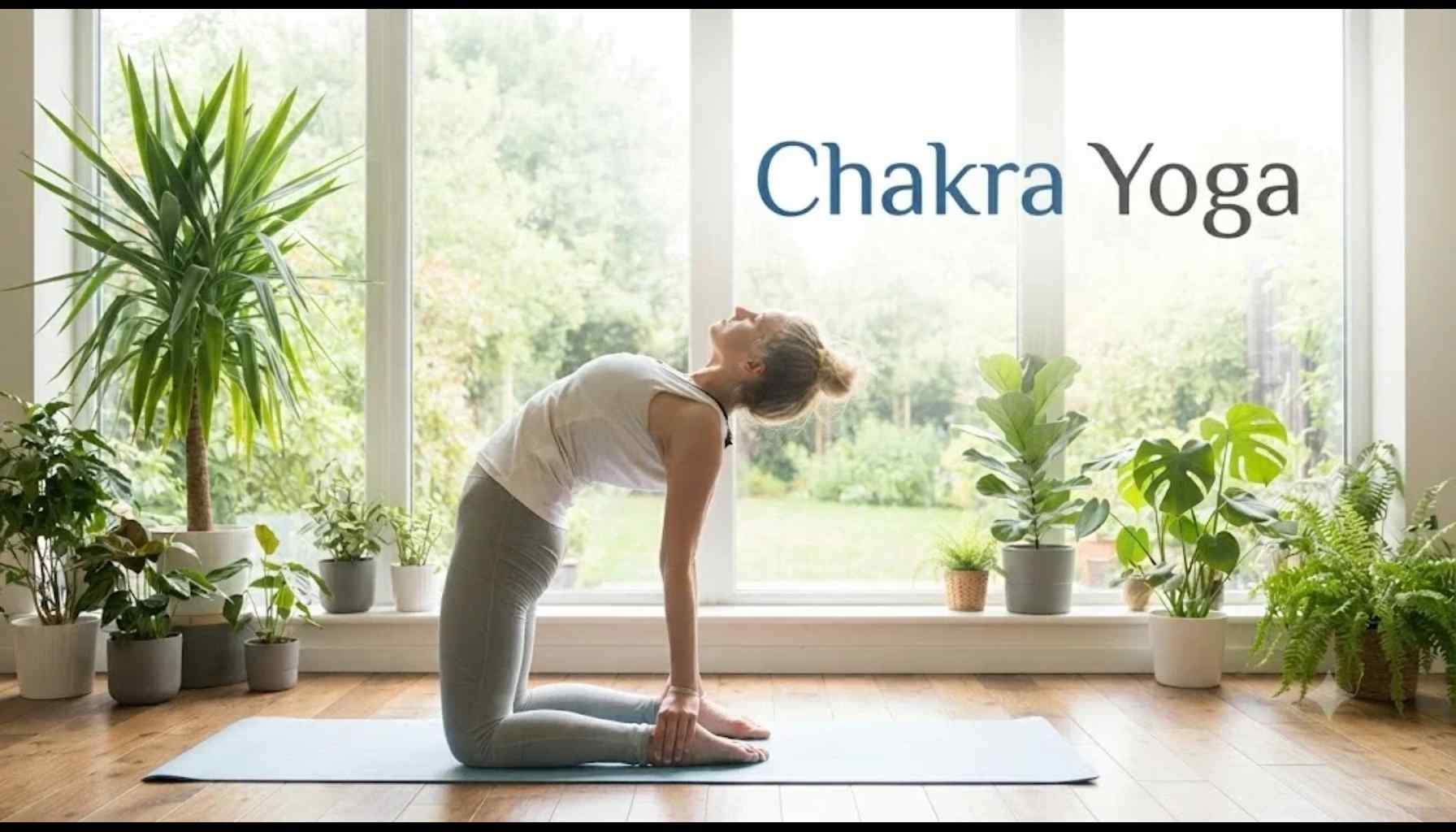
Chakra Yoga: Poses and Benefits
Chakra yoga combines traditional yoga postures, breathing, meditation, and focused awareness. In yogic philosophy, chakras are subtle energy centres located along the spine. The seven chakras usually talked about include the Muladhara, the Svadhisthana, the Manipura, the Anahata, the Vishuddha, the Ajna, and the Sahasrara. The chakras are associated with various feelings, thoughts, and emotions.
The practice of Chakra Yoga involves grounding, emotional awareness, concentration, and relaxation techniques.
Key Takeaways
- Chakra yoga encourages mindful movement and awareness.
- Gentle asanas support balance, strength, and relaxation.
- Consistent practice may improve emotional self-awareness.
Understanding the Seven Chakras
The word "chakra" translates to "wheel" or "disk" in Sanskrit, reflecting its roots across ancient Indian and Tibetan traditions as spinning vortices of spiritual energy.
|
|
|
|
|
|
|
|
|
|
|
|
|
|
|
|
|
|
|
|
|
|
|
|
|
|
|
|
|
|
|
|
|
|
|
|
|
|
|
|
Yoga for Chakra - Key Poses
The following poses can be included in a gentle chakra-focused routine. Practise without forcing your body or treating any posture as a guaranteed method of “opening” a chakra.
1. Tadasana – Mountain Pose (Crown Chakra)
Stand straight with your feet firmly planted, elongate the spine, release your shoulders, and breathe smoothly. Tadasana builds balance and alignment. It is a good beginner pose to ground oneself prior to other more dynamic poses.
2. Virabhadrasana I – Warrior I (Root and Sacral Chakras)
Step one leg forward, bend the leading leg, extend the arms upwards, and ensure that the back leg remains firm. Warrior I builds up the lower body and cultivates a sense of stability. This pose may also help concentration when practiced with controlled breathing.
3. Anjaneyasana – Low Lunge (Root and Sacral Chakras)
Place one foot forward, lower the back knee, lift the chest, and gently extend the arms. Low Lunge stretches the hip flexors and encourages awareness around the pelvis. Use a cushion beneath the back knee if needed.
4. Malasana – Garland Pose (Root Chakra)
Come down into a comfortable squat, press the palms together, and stretch the spine upwards. Malasana is traditionally considered a grounding pose.
5. Ustrasana – Camel Pose (Solar Plexus Chakra)
Kneel upright, place hands on the hips, lift the chest, and gently lean backward without compressing the neck. Ustrasana opens the front body and stretches the chest, shoulders, and thighs. Beginners can keep their hands on the hips instead of reaching for the heels.
6. Setu Bandhasana – Bridge Pose (Heart and Throat Chakras)
Lie on your back, bend the knees, press through the feet, and lift the hips slowly. Bridge Pose strengthens the back body while opening the chest. It can be practised with a block or cushion for additional support.
Mantras Used in Chakra Practice: Chakra mantras are generally associated with the seven energy points: Lam, Vam, Ram, Yam, Ham, Om, and Aum or silence for the Crown Chakra. An easy way to practice is to sit quietly, inhale slowly, and chant one of the mantras for some time, noticing the vibrations.
Duration and Frequency: Practise Chakra Yoga for 20–30 minutes, four to six days weekly, beginning with shorter sessions and increasing gradually.
Benefits of Chakra Yoga
Some of the physical and emotional benefits associated with chakra yoga, when performed correctly and consistently, include:
- Increased body awareness: Gentle movements allow one to feel tension, balance, and breathing techniques.
- Help with relaxation: Yoga poses and breath work may lower stress levels.
- Emotional observation: Meditation allows for observation of emotions before reacting to them.
- Development of strength and flexibility: Asanas performed standing help develop the legs, hips, and posture muscles.
- Improves concentration: Breathing exercises and repetition of the mantra may minimize distractions.
- Mindful routines: Consistent practice leaves room for self-care and introspection.
Precautions
- Start with basic positions and refrain from complex backbends and squatting positions in the beginning.
- Utilize props such as blocks or cushions for support.
- Do not hold your breath while performing poses.
- Make modifications to poses in case you have problems with your knees, hips, back, neck, or shoulders.
- Women who are pregnant need to consult before performing deep twisting and backbend poses.
- Do not continue if you feel intense pain, lightheadedness, numbness, or difficulty breathing.
Common Mistakes During Chakra Yoga
|
|
|
|
|
|
|
|
|
|
|
|
|
|
|
|
|
|
|
|
|
Conclusion
Chakra yoga offers a mindful way to combine movement, breath, meditation, and traditional spiritual symbolism. The six asanas above can support flexibility, balance, strength, and relaxation when practised regularly. Focus on comfortable movement rather than forcing a specific energetic result.
Frequently Asked Questions
1. Which chakra is blocked by anger?
In traditional chakra teachings, anger is often associated with an imbalanced Manipura or Solar Plexus Chakra, although this is a symbolic belief rather than a medical diagnosis.
2. What does chakra yoga do?
Chakra Yoga combines asanas, breathing, meditation, and awareness to support relaxation, concentration, body awareness, and spiritual reflection.
3. What are the 7 chakra mantras?
The seven commonly used mantras are Lam, Vam, Ram, Yam, Ham, Om, and Aum or silence for the Crown Chakra.
4. How to heal chakras at home?
Practise gentle yoga, slow breathing, meditation, mantra repetition, restful sleep, healthy routines, and emotional self-reflection at home.
Also Read: Tantra Yoga
By Umesh Kumar Khiri

Discussion (0)
No comments yet. Be the first to comment!
Leave a Comment
You need to login to post a comment.