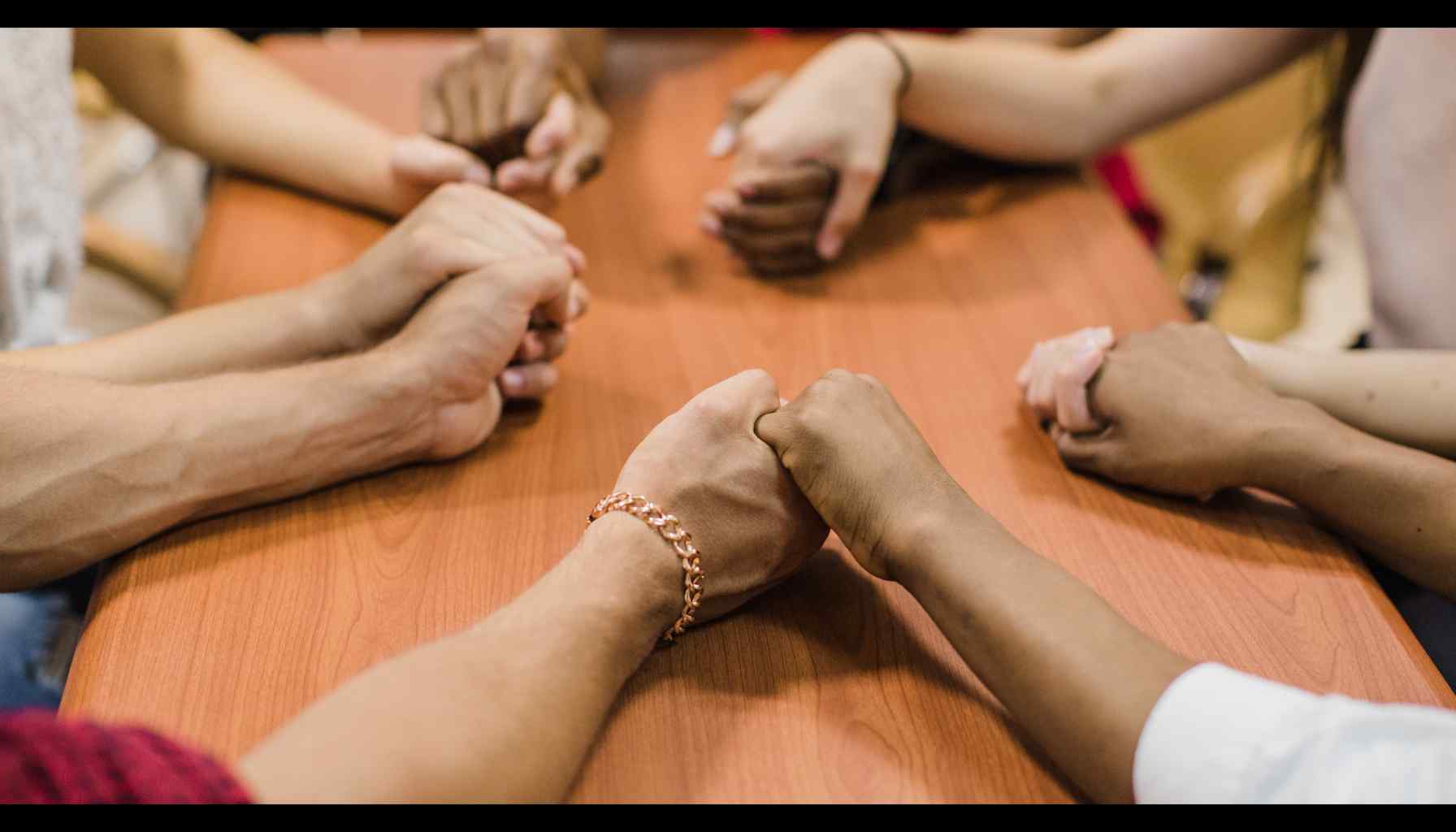
Praying Together as a Community: Methodology, Process, Benefits and Spiritual Well-Being
Introduction
When people come together to pray, the experience can extend beyond individual spirituality and become a source of community bonding, emotional support and shared purpose.
Community prayer can take place in temples, churches, mosques, meditation centres, community halls, homes or open spaces. It may involve traditional religious prayers, devotional songs, sacred readings, meditation or moments of collective silence. Although prayer practices differ across religions and cultures, the underlying values of compassion, gratitude, kindness and goodwill can bring people together.
Collective prayer may also provide comfort during difficult circumstances, encourage positive relationships and inspire individuals to contribute to the welfare of others. When organised with respect, inclusiveness and voluntary participation, community prayer can become a valuable practice for spiritual well-being and social harmony.
Praying Together as a Community
Praying together as a community means gathering with others to share a spiritual experience, express common intentions and reflect on values that support individual and collective well-being. Unlike solitary prayer, community prayer provides an opportunity to experience spirituality in the presence of others.
People may gather regularly to pray for peace, good health, family happiness, social harmony, environmental protection or the welfare of those facing difficulties. Some gatherings follow established religious traditions, while others adopt simple practices such as silent reflection, gratitude and positive affirmations.
Community prayer does not necessarily require elaborate arrangements. Even a small group of neighbours, friends or family members can organise a meaningful gathering. What matters most is sincerity, mutual respect and a shared willingness to create a peaceful atmosphere.
Understanding the Role of Collective Prayer in Community Life
The Significance of Shared Spiritual Practices
Shared spiritual practices help individuals connect through common values and beliefs. Praying together can create a feeling of togetherness and encourage people to reflect on principles such as honesty, forgiveness, compassion and service.
In many cultures, collective prayer has been an important part of festivals, religious ceremonies, family occasions and community celebrations. These practices help preserve traditions and provide opportunities for younger generations to understand their cultural and spiritual heritage.
Regular spiritual gatherings may also encourage individuals to develop personal habits of prayer, meditation and self-reflection.
Building a Sense of Belonging and Common Purpose
A community becomes stronger when its members feel accepted, valued and connected. Collective prayer can provide a shared space where people meet, communicate and develop relationships.
When individuals gather for a common purpose, they may become more aware of one another's experiences and needs. For example, a community may come together to pray for a family experiencing hardship or for people affected by a natural disaster.
Such gatherings can strengthen solidarity and remind participants that they are part of a larger social network.
Respecting Different Beliefs, Traditions and Prayer Practices
Communities often include people belonging to different religions, cultures and spiritual traditions. An inclusive prayer gathering should recognise these differences rather than expecting everyone to follow the same practices.
Organisers can encourage participants to share prayers from their own traditions, offer universal messages of peace or observe moments of silence. Nobody should feel uncomfortable because of their beliefs or personal choices.
Respecting diversity makes collective spiritual gatherings more welcoming and helps promote peaceful coexistence.
The Connection Between Community Prayer and Emotional Well-Being
Prayer can offer a quiet opportunity to express emotions, reflect on personal difficulties and find meaning during uncertain situations. When practised collectively, it may also create a sense of emotional support.
Knowing that others care about one's difficulties can reduce feelings of isolation. Participants may feel encouraged when they receive kind words, compassionate attention and practical assistance.
However, prayer should not be considered a substitute for professional medical or psychological support. It can complement appropriate care by providing spiritual encouragement and social connection.
Methodology for Organising Community Prayer
Establishing a Shared Intention and Purpose
The first step is to identify the purpose of the gathering. A clear intention helps participants understand why they are coming together.
Possible intentions include:
-
Praying for peace and harmony.
-
Expressing gratitude for life's blessings.
-
Supporting families experiencing difficulties.
-
Remembering people who have passed away.
-
Praying for the health and happiness of others.
-
Developing compassion and understanding.
-
Encouraging environmental protection and social welfare.
The purpose should be communicated clearly so that participants can decide whether they wish to join.
Choosing an Inclusive and Accessible Prayer Setting
The location should be peaceful, convenient and accessible to community members. A community hall, religious institution, home, garden or open public space may be suitable.
Organisers should consider seating arrangements, ventilation, lighting, drinking water and accessibility for older adults and people with disabilities.
The setting should be welcoming rather than intimidating. Participants should feel comfortable regardless of their age, background or religious affiliation.
Selecting Suitable Prayers, Readings or Meditative Practices
The content of the gathering should reflect its purpose and the beliefs of participants.
Possible activities include:
-
Traditional prayers from different religious traditions.
-
Reading inspiring spiritual passages.
-
Singing devotional or peaceful songs.
-
Reciting messages about compassion and kindness.
-
Practising guided meditation.
-
Observing collective silence.
-
Expressing gratitude for people and experiences.
Organisers should ensure that the selected material does not promote discrimination or disrespect other beliefs.
Encouraging Participation Without Pressure
Participation should always be voluntary. Some people may prefer to pray aloud, while others may wish to listen, meditate or remain silent.
Organisers should avoid pressuring anyone to recite unfamiliar prayers or follow practices that conflict with personal beliefs.
A welcoming approach allows everyone to participate according to their comfort and understanding.
Creating a Respectful and Peaceful Atmosphere
A peaceful atmosphere helps participants focus on the purpose of the gathering. Unnecessary noise, interruptions and unrelated discussions should be minimised.
Organisers can maintain a simple environment with comfortable seating, appropriate lighting and clear arrangements.
Respectful communication and attentive listening should be encouraged throughout the session.
Including Gratitude, Compassion and Prayers for Others
An important part of community prayer is remembering people beyond oneself.
Participants can express gratitude for their families, friends, teachers, caregivers and community members. They can also pray for people experiencing illness, poverty, loneliness, grief or other difficulties.
Including such intentions may encourage compassion and remind participants of their responsibility towards others.
The Process of Praying Together as a Community
Gathering Members and Welcoming Participants
The gathering can begin with a warm welcome from the organiser or a community volunteer.
New participants should be introduced to the purpose and structure of the session. Organisers can briefly explain that everyone is free to participate according to their beliefs and preferences.
A friendly welcome helps create an atmosphere of acceptance and belonging.
Beginning With Silence, Reflection or a Shared Intention
The session may begin with one or two minutes of silence. Participants can use this time to settle their thoughts, become aware of their breathing and reflect on the purpose of the gathering.
A shared intention may then be introduced, such as wishing for peace, happiness, good health and understanding among all people.
This simple beginning helps establish a calm and thoughtful atmosphere.
Following a Collective Prayer or Reflection Session
The main session can include prayers, devotional songs, sacred readings or guided reflection.
For example, participants from different backgrounds may share short prayers from their respective traditions. Alternatively, the group may choose a universal reflection on gratitude, forgiveness and kindness.
The session should remain organised without becoming overly formal or lengthy.
Offering Prayers for Community Needs and Shared Concerns
Community members may identify important concerns that deserve collective attention.
These could include the well-being of elderly people, children, families experiencing financial difficulties, individuals recovering from illness and those affected by natural disasters.
Participants can offer prayers and positive intentions for these individuals. Where appropriate, organisers can also identify practical ways to support them.
Allowing Time for Personal Reflections and Expressions of Gratitude
Participants may be given an opportunity to share a brief reflection or express gratitude.
Someone might thank a neighbour for providing assistance, acknowledge the support of family members or share a positive experience from the week.
Sharing should remain optional. Personal matters should be treated with sensitivity and confidentiality.
Closing the Gathering With a Message of Unity and Hope
The gathering can conclude with a short prayer, a peaceful song, a moment of silence or a message about unity and compassion.
The organiser may thank everyone for participating and remind the group of the importance of carrying positive values into everyday life.
Extending the Spirit of Prayer Through Everyday Actions
The true value of collective prayer becomes more meaningful when its principles are reflected in daily behaviour.
Participants can extend the spirit of prayer by helping neighbours, supporting elderly people, visiting those who are lonely, caring for the environment and offering assistance to families in need.
Prayer and compassionate action can work together to create a more caring community.
Benefits of Praying Together as a Community
Strengthening Social Bonds and Community Belonging
Community prayer creates opportunities for people to meet regularly and develop meaningful relationships.
Participants may become familiar with one another, understand different experiences and establish friendships. These connections can contribute to a stronger sense of belonging.
For people who live alone or have limited social interaction, such gatherings may provide valuable opportunities for companionship.
Encouraging Compassion, Empathy and Mutual Support
Collective prayer often focuses attention on the difficulties and needs of others. Remembering people who are suffering may encourage participants to become more understanding and compassionate.
When community members learn about one another's challenges, they may become more willing to offer emotional encouragement and practical assistance.
This spirit of empathy can strengthen relationships within families and neighbourhoods.
Providing Comfort During Difficult Times
Life includes experiences of illness, bereavement, financial hardship and uncertainty. During such circumstances, individuals may benefit from the support of a caring community.
A prayer gathering can provide an opportunity for people to express concern, share comforting thoughts and remind affected families that they are not alone.
Although prayer cannot guarantee a particular outcome, it may provide spiritual reassurance and emotional encouragement.
Creating Opportunities for Shared Reflection and Gratitude
Collective prayer encourages individuals to pause and reflect on life's blessings and responsibilities.
Participants may become more conscious of the importance of family relationships, friendships, good health, nature and community support.
Practising gratitude may also encourage a more balanced outlook towards everyday challenges.
Supporting a Sense of Hope, Purpose and Spiritual Connection
Prayer can help individuals reflect on questions about meaning, purpose and personal values.
When people pray together, they may experience a sense of connection with one another and with their spiritual beliefs.
Such experiences can encourage hope, patience and positive thinking, particularly during periods of uncertainty.
Encouraging Cooperation and Community Service
Community prayer can inspire participants to move beyond personal concerns and contribute to collective welfare.
Groups may organise food distribution, educational support, environmental campaigns, visits to elderly people or assistance for families facing difficulties.
Combining spiritual intentions with community service helps transform shared values into meaningful action.
Practices That Make Community Prayer More Meaningful
Maintaining Consistency in Community Gatherings
Regular gatherings can help participants develop a sense of continuity and commitment.
A weekly, fortnightly or monthly schedule may be suitable depending on the availability of community members.
Consistency is more important than organising elaborate events. Simple and sincere gatherings can be equally meaningful.
Making Prayer Sessions Welcoming Across Generations
Community prayer should provide opportunities for children, young adults, parents and senior citizens to participate.
Children may share simple messages about kindness, while young people can help organise activities. Older adults may contribute traditional prayers, spiritual stories and life experiences.
Intergenerational participation helps preserve valuable traditions while encouraging mutual understanding.
Combining Prayer With Meditation and Quiet Reflection
Meditation can complement prayer by providing time for silence, awareness and inner reflection.
Participants may practise mindful breathing, observe their thoughts or sit quietly for a few minutes.
These practices can help create a peaceful transition from everyday activities to spiritual reflection.
Using Music, Readings or Shared Silence Where Appropriate
Music and meaningful readings can make gatherings more engaging.
Devotional songs, instrumental music, inspirational passages and poems may be included according to the preferences of the group.
However, silence should also be valued. Not every spiritual gathering needs continuous activity or conversation.
Following Prayer With Acts of Kindness and Service
One meaningful way to strengthen community prayer is to connect it with practical service.
Participants can undertake small activities such as distributing food, helping students, supporting people with disabilities, planting trees or visiting isolated individuals.
Even simple acts of kindness can reflect the values expressed during prayer.
Overcoming Challenges in Collective Prayer
Accommodating Different Beliefs and Religious Traditions
Different communities may have different expectations about prayer. Some prefer traditional religious ceremonies, while others favour meditation or universal spiritual reflections.
Organisers can address these differences by discussing the gathering's purpose in advance and selecting an approach that respects everyone.
Managing Differences in Prayer Styles and Expectations
Some participants may prefer long prayers, while others may appreciate short and simple sessions.
A balanced programme can include different forms of spiritual expression without allowing one approach to dominate.
Open communication helps avoid misunderstandings.
Making Participation Accessible to Diverse Community Members
Physical accessibility, language differences, financial limitations and inconvenient timings may prevent some people from attending.
Organisers can choose accessible venues, provide seating, use simple language and avoid unnecessary expenses.
Where possible, they can also arrange suitable participation options for people who cannot attend in person.
Avoiding Coercion and Respecting Personal Choice
No individual should be forced to pray, follow a particular religion or disclose personal beliefs.
People who prefer to observe silently or not participate should be treated with equal respect.
Voluntary participation creates trust and helps maintain the genuine spirit of community gathering.
Maintaining Focus and Meaning in Regular Gatherings
Over time, regular sessions may become repetitive if they lack a clear purpose.
Organisers can introduce different themes, such as gratitude, forgiveness, peace, family well-being and environmental care.
Short discussions and occasional community service activities can also renew interest.
FAQs on Praying Together as a Community
1. What Is the Role of Collective Prayer in Community Bonding?
Collective prayer provides an opportunity for people to gather around shared values and intentions. It may strengthen relationships, encourage mutual understanding and create a sense of belonging. Participants can also become more aware of the needs and difficulties of others.
2. How Can We Organise an Inclusive Prayer Gathering?
Begin by identifying a shared purpose and selecting an accessible location. Choose suitable prayers, readings or silent reflection activities. Welcome different beliefs, communicate the schedule clearly and ensure that participation remains voluntary.
3. Can Community Prayer Be Combined With Meditation and Reflection?
Yes. Prayer can be combined with mindful breathing, guided meditation, silence and gratitude exercises. These practices may encourage participants to develop greater awareness and spend time reflecting on personal and collective well-being.
Conclusion
Praying together as a community is a meaningful way to bring people closer through shared intentions, spiritual reflection and mutual support. It can encourage belonging, compassion, gratitude, hope and a sense of common purpose. Through regular and inclusive gatherings, individuals may develop stronger social relationships and a deeper appreciation of their responsibilities towards others.
The methodology involves establishing a shared intention, choosing an accessible setting, selecting suitable spiritual practices and creating a respectful atmosphere. The process can include collective prayer, meditation, gratitude, reflection and prayers for community needs.
For community prayer to remain meaningful, participation must always be voluntary and different religious traditions and personal beliefs must be respected. Most importantly, the spirit of prayer should extend beyond gatherings through everyday kindness, cooperation and service.
When collective prayer is combined with practical compassion, it can become more than a spiritual activity. It can help nurture a caring, harmonious and supportive community in which people feel valued, respected and connected.
We wish all a life that combines community prayer.
By Jamuna Rangachari


Discussion (0)
No comments yet. Be the first to comment!
Leave a Comment
You need to login to post a comment.