

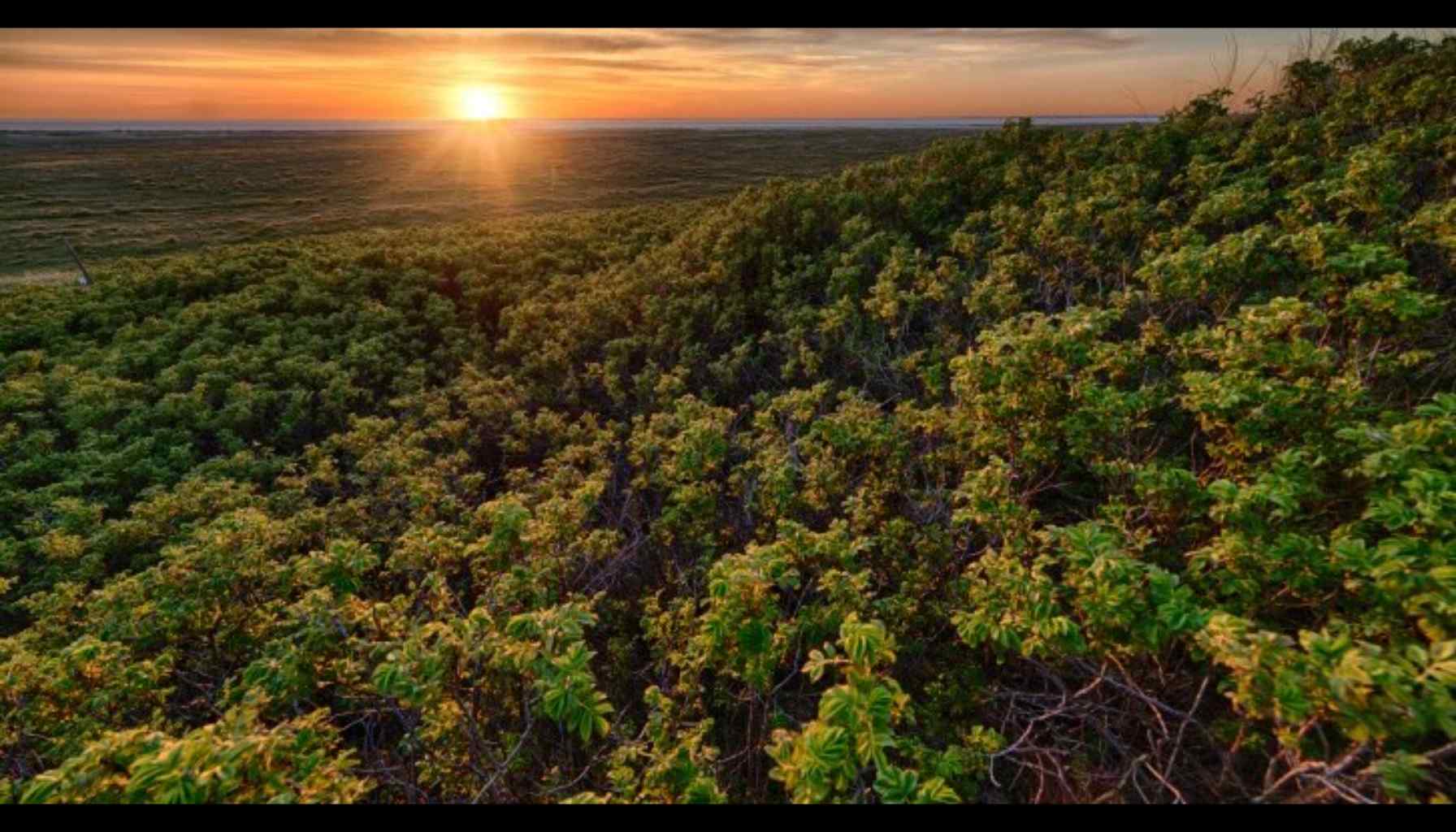
Ghana, a country in West Africa, is making efforts to restore its forests by encouraging communities to plant trees, protect existing woodlands and adopt sustainable farming practices. These initiatives are important because forests support wildlife, protect water resources, improve soil fertility and provide livelihoods for millions of people.
Over the years, Ghana has faced serious environmental challenges, including deforestation, illegal logging, bushfires, mining activities and the expansion of agricultural land. The loss of trees has contributed to soil erosion, declining biodiversity and pressure on rural communities that depend on forests for their daily needs. Community-led forest restoration offers a practical way to address these problems while empowering local people.
Communities at the Heart of Forest Restoration
One of the most effective ways to restore forests is to involve the people who live near them. In Ghana, community groups, farmers, traditional leaders, schools and environmental organisations participate in tree-planting and forest-protection activities.
Rather than treating forests simply as areas to be managed by government agencies, these initiatives recognise that local communities have valuable knowledge about their land, plants and natural resources.
Residents help select suitable tree species, plant seedlings and care for young trees. They may also organise educational programmes to explain why forests matter and how everyday activities can affect the environment.
Community participation is essential because planting trees is only the beginning. Seedlings need protection from fires, grazing animals and drought. When local residents take responsibility for caring for them, the chances of long-term survival can improve.
The Modified Taungya System: Growing Trees and Crops Together
An important example of community-based forestry in Ghana is the Modified Taungya System (MTS). Under this approach, farmers help establish and maintain trees in designated forest areas while god crops between the young trees.
This system allows farmers to earn a livelihood while contributing to forest restoration. The government’s Forestry Services Division provides technical guidance and planting support, while benefit-sharing arrangements give participating farmers and other stakeholders an interest in the future value of the trees. Ghana reported that the system established more than 10,000 hectares of forest plantations in 2023.
Tree for Life: A National Movement
In March 2025, Ghana launched the Tree for Life Reforestation Initiative, a national programme aimed at restoring degraded land, improving the environment and encouraging public participation in tree planting. The initiative initially announced plans to distribute seven million seedlings, while the Forestry Commission promoted a broader restoration ambition of planting 30 million seedlings across the country.
Schools, youth groups, residents’ associations, traditional authorities and private organisations have been encouraged to participate. A related initiative, One Child, One Tree, seeks to inspire children and young people to plant and nurture trees, helping them develop a sense of environmental responsibility.
United Nations Development Programme
How Forests Benefit Communities
Community forest restoration provides several long-term benefits:
– Climate protection: Trees absorb carbon dioxide and help reduce the impact of climate change.
– Biodiversity: Healthy forests provide habitats for birds, insects, mammals and native plants.
– Water conservation: Tree cover can help protect watersheds and reduce soil erosion.
– Better livelihoods: Agroforestry can provide food, fruit, nuts, timber and other useful products.
– Community employment: Nurseries, planting activities and forest management can create income opportunities.
Projects supported by organisations such as the Food and Agriculture Organization and the United Nations Development Programme also promote sustainable farming, rural enterprise and stronger community participation in forest management.
Challenges and the Way Forward
Growing a forest requires more than planting seedlings. Communities must protect young trees from fires, drought, illegal logging and grazing. Farmers also need secure access to land and fair arrangements for sharing the benefits of restoration.
The success of these initiatives should therefore be measured not only by the number of seedlings planted, but also by how many survive and develop into healthy trees. Long-term funding, environmental education and cooperation between communities and government agencies are essential.
Conclusion
Ghana demonstrates how communities can become active partners in restoring nature. By combining tree planting, sustainable agriculture and local participation, the country is working towards healthier forests and stronger rural livelihoods.
The central lesson is simple: forests grow best when people have both the responsibility to protect them and a meaningful stake in their future. With sustained community involvement, today’s seedlings can become tomorrow’s forests, protecting the environment for generations to come.
We wish them all the best.
By Jamuna Rangachari
