

Rediscovering the Goodness of Nature for a Healthier Life
Introduction: Returning to Nature Through Food
Food provides nourishment, supports growth, strengthens the body and contributes to our overall well-being. Yet, in today’s fast-paced world, many people have gradually moved away from traditional eating habits and become increasingly dependent on packaged, highly processed and convenience foods.
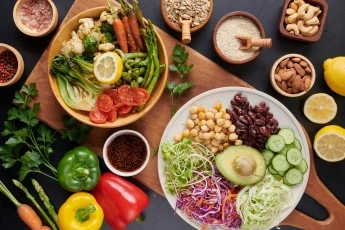
Rediscovering natural food offers an opportunity to reconnect with the environment and make healthier choices. Fruits, vegetables, whole grains, beans, nuts, seeds, herbs and traditionally prepared foods provide a wide range of nutrients that support everyday health.
Natural eating is not about following a strict diet or giving up every modern food. It is about choosing foods closer to their natural state, appreciating seasonal produce, respecting traditional culinary knowledge and developing a balanced relationship with food.
Traditional Indigenous food cultures in North America offer interesting lessons in this regard. Their food practices demonstrate how locally available plants, grains, fruits, vegetables and animal foods can form nourishing diets while maintaining a connection with nature, community and ancestral traditions.
1. What Is Natural Food?
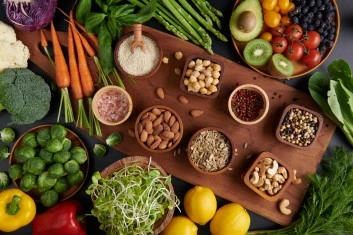
Natural food generally refers to food that is minimally processed and retains much of its original nutritional composition. It is usually obtained from plants, animals and other natural sources.
Examples include:
- Fresh fruits
- Vegetables such as spinach, carrots, pumpkins and gourds.
- Whole grains such as brown rice, millets, oats and corn.
- Legumes such as chickpeas, lentils, kidney beans and peas.
- Nuts and seeds
- Natural herbs and spices used in traditional cooking.
- Fresh milk, eggs, fish and other minimally processed animal foods, where included in the diet.
Natural food does not necessarily mean organic food. Organic refers to particular farming and certification standards, whereas natural eating is a broader approach that emphasizes food quality, variety and minimal processing.
It is also important to remember that frozen vegetables, canned beans and other convenient foods can contribute to a nutritious diet. The objective is not to reject convenience but to make informed choices.
2. Understanding the Nutritional Value of Natural Foods
One of the greatest advantages of eating a varied diet based on whole foods is that it provides different nutrients that work together to support the body.
Fruits and vegetables
Fruits and vegetables contain vitamins, minerals, dietary fibre and beneficial plant compounds. Different colours often indicate different combinations of natural pigments and phytochemicals.
For example:
- Orange vegetables such as carrots and pumpkins contain beta-carotene.
- Green leafy vegetables provide folate and other important nutrients.
- Berries contain anthocyanins and other antioxidant compounds.
- Citrus fruits are valuable sources of vitamin C.
Including different coloured fruits and vegetables in everyday meals helps increase dietary variety.
Whole grains
Whole grains such as millets, oats, brown rice and whole wheat provide carbohydrates, fibre, vitamins and minerals.
Unlike refined grains, whole grains retain the bran and germ, which contain valuable nutrients. They can support digestive health and help provide sustained energy.
Beans and legumes
Beans, lentils, chickpeas and peas are affordable sources of plant protein and dietary fibre. They also provide minerals such as iron, potassium and magnesium.
The traditional combination of corn, beans and squash, known as the Three Sisters in several Indigenous North American food traditions, illustrates how different crops can complement one another nutritionally and agriculturally.
Nuts and seeds
Nuts and seeds provide healthy unsaturated fats, protein, fibre and several minerals. Almonds, walnuts, sunflower seeds, flaxseeds and pumpkin seeds can be included in moderate portions.
Herbs and spices
Turmeric, ginger, garlic, cumin, coriander and other herbs and spices add flavour and variety to meals. They also contain naturally occurring plant compounds.
However, spices should be viewed as part of a nutritious diet rather than as substitutes for medical treatment.
3. Learning from Traditional Indigenous Food Cultures
Traditional food practices offer valuable insights into the relationship between nutrition, culture and the environment.
In many Indigenous communities of North America, traditional foods were obtained through hunting, fishing, gathering and cultivation. Depending on the geographical region, diets included wild berries, roots, leafy greens, corn, wild rice, beans, squash, fish and game meats.
These foods were often seasonal and locally available. Traditional preservation techniques such as drying, smoking and storing helped communities retain food for periods when fresh supplies were limited.
The Three Sisters—corn, beans and squash—are particularly significant. These crops were traditionally cultivated together because they support one another’s growth. They also provide a combination of carbohydrates, plant protein, fibre, vitamins and other beneficial compounds.
An important lesson from these traditions is that healthy eating does not have to follow one universal food pattern. Different cultures can nourish themselves through their own locally available ingredients and culinary traditions.
4. How Modern Food Habits Have Changed
Over the years, food habits have changed considerably. Urbanisation, changing lifestyles, advertising and the availability of packaged products have influenced what people eat.
Many traditional meals have gradually been replaced by ready-to-eat snacks, refined carbohydrates, sugary beverages and highly processed foods.
Some of these foods are convenient, but regularly consuming diets high in added sugars, excess salt and unhealthy fats can affect long-term health.
Another concern is the gradual loss of traditional food knowledge. Younger generations may be less familiar with local grains, seasonal vegetables, indigenous crops and traditional cooking techniques.
The experience of Indigenous communities in North America illustrates how historical displacement, reduced access to ancestral lands and economic difficulties have affected traditional food systems. Reviving traditional food knowledge is therefore not simply about changing diets; it is also about preserving cultural identity and improving food security.
Why should we reconsider our food choices?
There are several reasons to reconsider modern eating patterns:
- Excessive dependence on highly processed foods can reduce dietary variety.
- Refined foods may contain less fibre than their whole-food alternatives.
- Sugary drinks can contribute to excessive calorie intake.
- Limited consumption of fruits and vegetables can result in inadequate nutrient intake.
- Losing traditional food practices can weaken cultural connections and local food knowledge.
A balanced approach does not require eliminating all packaged foods. Instead, it encourages people to make whole and minimally processed foods the foundation of their meals.
5. Benefits of Including Natural Foods in Everyday Meals
Eating a varied diet rich in natural and minimally processed foods can contribute to several aspects of health.
5.1 Supports digestive health
Dietary fibre found in vegetables, fruits, whole grains, legumes, nuts and seeds supports regular bowel movements.
Certain fibres also nourish beneficial bacteria in the gut. A diverse selection of plant foods can help maintain a healthy gut environment.
5.2 Helps maintain a healthy weight
Whole foods often contain fibre and water, which contribute to fullness. Including vegetables, fruits, legumes and whole grains in meals can help people manage their appetite and overall calorie intake.
Weight management, however, depends on several factors, including physical activity, sleep, genetics and overall dietary patterns.
5.3 Supports heart health
A diet containing whole grains, vegetables, fruits, legumes, nuts and unsaturated fats can support cardiovascular health.
Replacing some foods high in saturated fats with healthier unsaturated fat sources may help improve blood cholesterol levels.
5.4 Provides antioxidants and plant compounds
Natural plant foods contain a variety of phytochemicals and antioxidant compounds.
These substances participate in several biological processes and help protect cells from oxidative damage. Different plant foods provide different compounds, making dietary diversity important.
5.5 Supports overall energy and vitality
A balanced diet containing carbohydrates, protein, healthy fats, vitamins and minerals provides the body with the nutrients needed for everyday activities.
Whole grains provide energy, legumes contribute protein and fibre, and fruits and vegetables supply essential micronutrients.
5.6 Contributes to long-term health
Healthy eating patterns are associated with a lower risk of several chronic conditions, including cardiovascular disease and type 2 diabetes.
Natural foods alone cannot prevent or cure diseases. Their benefits are greatest when combined with regular physical activity, adequate sleep, stress management and appropriate healthcare.
6. The Importance of Seasonal and Locally Available Foods
Nature provides different foods during different seasons. Eating seasonal produce can help people enjoy a wider variety of ingredients while supporting local agriculture.
Seasonal fruits and vegetables are often harvested when they are naturally available in a particular region.
For example, in India:
- Summer offers watermelon, mangoes, cucumbers and gourds.
- The monsoon season brings different varieties of leafy vegetables and locally available produce.
- Winter offers carrots, green peas, oranges, amla and several seasonal greens.
Eating locally grown foods can also help support farmers and regional food markets.
However, seasonal eating should not become a rigid rule. Frozen and preserved produce can be nutritious alternatives when fresh foods are unavailable.
7. Rediscovering Traditional Foods in Indian Cuisine
India has an exceptionally rich food heritage. Every region has its own traditional grains, vegetables, pulses, spices and cooking methods.
Many traditional Indian meals naturally incorporate the principles of balanced nutrition.
Millets and traditional grains
Ragi, jowar, bajra and other millets have been consumed in different parts of India for generations.
They provide dietary fibre and minerals, although their nutritional composition varies. They can be prepared as porridge, rotis, dosa, idli and other traditional dishes.
Pulses and legumes
Toor dal, moong dal, urad dal, chana and rajma are valuable sources of plant protein and fibre.
Combining cereals with pulses in meals such as rice and sambar, idli and sambar, or roti and dal offers dietary variety.
Traditional vegetables and greens
Drumstick leaves, amaranth, spinach, pumpkin, ash gourd, bottle gourd and other regional vegetables provide important nutrients.
Including different vegetables throughout the week helps create a varied diet.
Fruits and local produce
Guava, papaya, banana, jackfruit, amla, mango and seasonal berries are examples of fruits enjoyed across India.
Choosing locally available fruits can make healthy eating more affordable and accessible.
Traditional spices
Indian cooking uses turmeric, ginger, garlic, cumin, pepper, coriander and other spices to enhance flavour.
These ingredients can make nutritious meals enjoyable without depending excessively on salt, sugar or heavy sauces.
The important principle is to preserve the diversity of regional food traditions while making sensible nutritional choices.
8. Natural Food and Sustainable Living
Natural eating is closely connected with environmental responsibility.
The way food is grown, transported, packaged, prepared and discarded influences the environment.
Choosing locally available produce, reducing food waste and supporting responsible farming practices are practical ways to make food habits more sustainable.
Some useful practices include:
- Buying seasonal vegetables and fruits from local markets.
- Supporting farmers who use responsible agricultural methods.
- Growing herbs and vegetables at home where possible.
- Using reusable containers for food storage.
- Planning meals to reduce food wastage.
- Composting suitable vegetable and fruit waste.
- Preserving surplus produce safely for later use.
Traditional communities often developed food practices around the resources available in their surroundings. Their knowledge of growing, gathering, preparing and preserving food can offer valuable lessons for modern sustainable living.
However, sustainability also depends on local conditions, agricultural practices, water use and transportation. No single food choice is automatically the most environmentally friendly in every situation.
9. How to Include More Natural Foods in Your Daily Diet
Moving towards healthier eating need not involve dramatic changes. Small, consistent steps can gradually improve everyday food habits.
Step 1: Begin with breakfast
Choose nourishing breakfast options such as vegetable upma, idli with sambar, oats, millet porridge or whole-grain toast.
Include some protein through milk, curd, nuts, seeds or legumes, depending on your dietary preferences.
Step 2: Add more vegetables
Include vegetables in lunch and dinner. Try to eat different colours and varieties rather than depending on just one or two familiar vegetables.
Step 3: Choose whole grains more often
Replace some refined grains with brown rice, millets, oats or whole wheat.
The change can be gradual, allowing the digestive system and taste preferences to adapt.
Step 4: Eat fruits regularly
Include whole fruits rather than depending entirely on fruit juices. Whole fruits generally retain more fibre and are more filling.
Step 5: Include plant proteins
Add dal, chickpeas, kidney beans, green gram, peas and other legumes to regular meals.
Step 6: Reduce excessive added sugar and salt
Limit frequent consumption of sugary beverages, sweets and salty packaged snacks. Use herbs, spices, lemon and other flavourful ingredients to make meals enjoyable.
Step 7: Cook more often at home
Home cooking makes it easier to control ingredients, cooking methods and portion sizes.
It also offers an opportunity to introduce children and younger family members to traditional recipes.
Step 8: Avoid food wastage
Store ingredients correctly, plan meals and use leftovers safely. Food preservation methods should follow appropriate food safety practices.
10. Bringing Traditional Food Knowledge to the Next Generation
Food traditions are an important part of family and community identity. Recipes, cooking methods and knowledge about local ingredients are often passed from grandparents and parents to younger generations.
Unfortunately, changing lifestyles can sometimes weaken these connections.
Families can help preserve traditional food knowledge through simple activities:
- Encourage children to participate in preparing traditional meals.
- Explain the nutritional value of locally available ingredients.
- Visit farmers’ markets and community gardens.
- Introduce children to different grains, fruits and vegetables.
- Learn traditional recipes from elders.
- Celebrate regional food festivals and culinary traditions.
- Encourage schools to introduce nutrition and food-growing activities.
The First Nations Development Institute highlights the importance of traditional food education, tribal farmers’ markets, community gardens and involving younger generations in preparing traditional dishes. These initiatives help strengthen food knowledge and community food systems.
Preserving traditional food practices is not about rejecting modern life. It is about carrying valuable knowledge forward and adapting it to contemporary needs.
11. Common Myths About Natural Food
There are several misconceptions about natural eating that can make people unnecessarily anxious about their food choices.
Myth 1: Natural food must always be organic.
Fact: Organic food follows specific production and certification standards. Nutritious foods can also come from conventional farming.
Myth 2: All packaged foods are unhealthy.
Fact: Frozen vegetables, canned beans, plain yoghurt and other minimally processed packaged foods can be nutritious choices.
Myth 3: Natural food can cure diseases.
Fact: A healthy dietary pattern can support general health and help reduce certain disease risks, but no single natural food can cure a medical condition.
Myth 4: Traditional food is always healthier than modern food.
Fact: Traditional diets offer valuable nutritional and cultural lessons, but individual recipes and ingredients must still be evaluated for nutritional balance, food safety and personal health requirements.
Myth 5: Healthy eating is expensive.
Fact: Seasonal vegetables, locally available fruits, lentils, beans and millets can be affordable options. Planning meals and reducing waste can also help control food expenses.
12. Precautions When Choosing Natural Foods
Although natural foods are generally valuable components of a balanced diet, a few precautions are important.
- Wash fruits and vegetables thoroughly before eating.
- Cook beans, pulses and other foods that require cooking properly.
- Avoid unidentified wild plants, mushrooms and herbs.
- Store perishable foods at appropriate temperatures.
- Be mindful of food allergies and intolerances.
- Do not assume that natural supplements or herbal preparations are automatically safe.
- People with diabetes, kidney disease or other medical conditions should seek individualised dietary advice.
For example, people with kidney disease may need to regulate potassium, phosphorus, protein or fluid intake. Therefore, even nutritious foods must sometimes be selected according to individual medical requirements.
Conclusion: Natural Food Is a Celebration of Health, Culture and Nature
Natural food represents more than a nutritional choice. It is a way of appreciating the relationship between human beings, the environment and the food that sustains life.
Traditional food cultures around the world demonstrate that nourishing meals can be created using locally available ingredients, seasonal produce and time-tested culinary knowledge.
The Indigenous food traditions of North America, including the Three Sisters of corn, beans and squash, provide an interesting example of how food, agriculture, community and cultural identity can come together.
India too has a remarkable heritage of millets, pulses, vegetables, fruits, spices and traditional cooking methods that can contribute to healthy eating.
The way forward is not to follow one rigid dietary philosophy but to embrace diversity, moderation and balance. By choosing more whole foods, appreciating traditional recipes, supporting local farmers and reducing food waste, we can develop eating habits that benefit both people and the planet.
Ultimately, eating naturally is about returning to the simple wisdom of choosing nourishing foods, respecting nature and making conscious decisions that support a healthier future.
Blog reviewed by Jamuna Rangachari
See also Eating healthy – LifePositive

