

Methodology, Process, Benefits and Healthy Ageing
Introduction
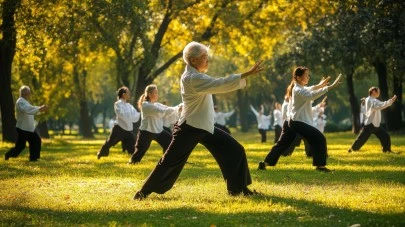
Taichi acknowledges ageing is a natural part of life, but growing older does not mean giving up physical activity, independence or the joy of movement. Maintaining balance, flexibility, muscle strength and emotional well-being becomes increasingly important as we advance in years. One gentle practice that can support these aspects of healthy ageing is Tai Chi walking.
Originating from the principles of the traditional Chinese practice of Tai Chi, Tai Chi walking combines slow, deliberate steps, controlled breathing, mindful awareness and coordinated body movements. Unlike conventional walking, which often involves moving at a regular pace, this practice encourages individuals to pay attention to how they place their feet, transfer their body weight and maintain their posture.
Tai Chi walking can be particularly appealing to older adults because it is gentle, adaptable and requires very little equipment. It can be practised indoors or outdoors, depending on an individual’s mobility and physical abilities.
For seniors, the practice offers an opportunity to remain active while developing greater awareness of their movements. When performed regularly and safely, it may contribute to improved balance, mobility, confidence and relaxation.
This article explores Tai Chi walking, its methodology, step-by-step process, benefits, precautions and ways to incorporate it into a healthy lifestyle.
Understanding Tai Chi Walking
Tai Chi walking is a mindful movement practice inspired by traditional Tai Chi. It involves taking slow, controlled steps while maintaining an upright posture, relaxed muscles and steady breathing.
In ordinary walking, people generally move without consciously thinking about every step. Tai Chi walking, however, encourages awareness of the entire movement, beginning with the placement of the heel and continuing through the transfer of body weight.
The practice involves three important principles:
- Mindful movement: Paying attention to the position and movement of the feet, legs and body.
- Movement of body weight: Moving body weight gradually from one leg to the other.
- Coordinated breathing: Maintaining a natural breathing rhythm while walking.
These principles make Tai Chi walking more than just a physical activity. It also encourages concentration, patience and a connection between the body and mind.
Understanding the Difference Between Tai Chi and Tai Chi Walking
Traditional Tai Chi consists of a sequence of flowing movements, postures and weight shifts. It is practised to develop physical coordination, balance, flexibility and mental awareness.
Tai Chi walking is a simpler movement-based practice that focuses particularly on the mechanics of walking and transferring weight between the feet.
Both practices can be beneficial for older adults. However, Tai Chi walking may be an accessible starting point for people who want to become more conscious of their walking patterns and balance.
Understanding the Importance of Tai Chi Walking for Seniors
Some older adults may also experience reduced confidence while walking, especially on unfamiliar or uneven surfaces.
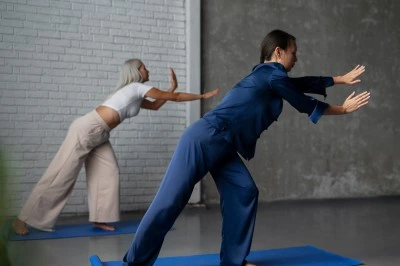
Tai Chi walking provides an opportunity to practise controlled movements without requiring vigorous exercise. Its emphasis on gradual weight shifting, posture and coordination can help older adults become more conscious of their physical movements.
Supporting Balance and Stability
Tai Chi walking encourages individuals to transfer their weight carefully from one foot to another. Repeated practice may help improve balance awareness and coordination.
Maintaining Mobility and Independence
Mobility plays an important role in maintaining independence during old age. Being able to move around comfortably allows seniors to participate in household activities, social gatherings and outdoor recreation.
Gentle walking exercises can help maintain movement patterns and encourage regular physical activity.
Building Confidence in Everyday Movement
Some older adults develop a fear of falling, which can make them avoid walking and other physical activities.
This reduction in movement may gradually weaken muscles and affect mobility.
Practising gentle, supported movements can help individuals become more comfortable with their bodies and develop confidence at an appropriate pace.
Methodology of Tai Chi Walking
The methodology of Tai Chi walking is based on combining controlled movements, proper posture, breathing and mental concentration.
Rather than focusing on speed or distance, the practice encourages individuals to perform each movement with awareness.
1. Maintaining Correct Posture
Begin by standing comfortably with the feet approximately hip-width apart. Keep the back naturally upright, shoulders relaxed and knees slightly bent.
Avoid stiffening the body or locking the knees. Maintain a comfortable head position and look ahead rather than continuously looking down.
2. Practising Gentle Weight Shifting
Slowly transfer body weight towards one foot while keeping the other foot relaxed.
Pause briefly before gradually transferring the weight to the opposite foot.
This movement helps individuals become aware of how their bodies maintain stability while standing.
3. Coordinating Foot Movements
When taking a step, place the heel gently on the floor first. Gradually lower the rest of the foot and transfer the body weight forward.
Avoid taking unnecessarily long steps or moving too quickly.
4. Synchronising Movement and Breathing
Maintain slow, natural breathing throughout the practice.
Avoid holding the breath or forcing deep inhalations. The objective is to coordinate breathing comfortably with the movement.
5. Developing Mindful Awareness
This awareness can make the exercise a calming and meditative experience.
Process: How to Practise Tai Chi Walking for Seniors
A clear, level walking area is preferable. Seniors who experience balance difficulties should practise beside a sturdy support, such as a countertop or stable railing, with guidance from a qualified professional.
Step 1: Prepare the Practice Area
Choose a comfortable, well-lit space with a non-slip floor.
Remove loose rugs, electrical wires, furniture and other obstacles that could cause tripping.
Wear comfortable clothing and
supportive footwear with good grip.
Step 2: Begin with Relaxation
Stand comfortably with your feet slightly apart.
Relax the shoulders and arms. Take a few natural, unhurried breaths.
Allow the body to settle before beginning the movements.
Step 3: Practise Side-to-Side Weight Shifting
Keep both feet on the ground.
Slowly shift your weight towards the left foot and then towards the right foot.
Keep the movements small and controlled. Repeat a few times without forcing the body.
Use a stable support if necessary.
Step 4: Practise Heel-to-Toe Movement
Stand with most of your weight supported by one leg.
Gently extend the opposite foot forward and touch the heel to the ground.
Gradually lower the foot until it rests comfortably on the floor.
Return to the starting position and repeat with the other foot.
Step 5: Begin Tai Chi Walking
Place the heel down gently, lower the rest of the foot and slowly transfer your weight forward.
Bring the other foot forward and repeat.
Maintain an upright posture and avoid sudden movements.
Step 6: Coordinate Breathing
Breathe naturally while performing each movement.
Allow the breathing rhythm to remain comfortable and relaxed. Do not force the breath to match a particular number of steps.
Step 7: Finish with Relaxation
After completing the practice, stop walking and stand comfortably with support if needed.
Take a few natural breaths and allow the body to relax.
If standing without support is difficult, sit down and rest.
Benefits of Tai Chi Walking for Seniors
Tai Chi walking may contribute to several aspects of physical and emotional well-being. Its benefits are particularly relevant to older adults who wish to remain active without undertaking strenuous exercise.
1. Improves Balance and Coordination
One of the important features of Tai Chi walking is its focus on controlled weight transfer.
As individuals practise moving from one foot to another, they become more aware of their balance and body position.
Regular Tai Chi practice has been associated with improvements in balance and functional mobility among older adults. These improvements may support safer movement in everyday life.
2. May Help Reduce the Risk of Falls
Falls are a significant concern among senior citizens. They can lead to injuries, hospitalisation and reduced independence.
Tai Chi programmes incorporate balance training, controlled movements and coordination exercises. Research suggests that regular Tai Chi practice may help reduce falls among older adults.
However, Tai Chi walking should not be considered a guaranteed method of preventing falls. It works best as part of a broader fall-prevention approach that includes suitable footwear, home safety, strength exercises and medical assessment when needed.
3. Supports Muscle Strength
Slow, controlled movements encourage the muscles of the legs and lower body to participate in maintaining posture and balance.
The repeated shifting of body weight can engage the thighs, calves, hips and supporting muscles.
While Tai Chi walking is not a substitute for progressive strength training, it can complement an exercise programme designed for older adults.
4. Encourages Joint Mobility and Flexibility
Gentle movements of the ankles, knees and hips help maintain comfortable joint movement.
Tai Chi walking encourages individuals to move within their natural range of motion rather than forcing the joints into uncomfortable positions.
This may be particularly useful for seniors who experience stiffness after prolonged sitting.
5. Promotes Mental Relaxation
Tai Chi walking combines physical activity with mindful awareness.
Concentrating on the movement of the feet and the rhythm of breathing can help individuals shift their attention away from everyday worries.
The practice may encourage relaxation and provide a peaceful break from stressful routines.
6. Improves Body Awareness
Body awareness, also known as proprioception, refers to the ability to recognise the position and movement of different body parts.
Tai Chi walking encourages individuals to notice how their feet contact the ground and how their weight moves during each step.
Practising this awareness may support better coordination and movement control.
7. Encourages Better Sleep and Emotional Well-being
Regular gentle physical activity can contribute to relaxation and improved sleep habits.
Tai Chi is also associated with improvements in psychological well-being in some research studies.
For seniors, incorporating a calming movement practice into their daily routine may provide a sense of achievement, emotional balance and personal satisfaction.
8. Encourages Social Interaction
Tai Chi can be practised individually or in groups.
Joining a suitable senior citizens’ class provides an opportunity to interact with others, develop friendships and participate in a shared wellness activity.
Social participation is an important aspect of healthy ageing and can help reduce feelings of isolation.
9. Supports Healthy Ageing
Healthy ageing involves maintaining physical abilities, emotional well-being and social connections.
Tai Chi walking can form one part of a balanced lifestyle that includes nutritious food, adequate sleep, regular exercise and meaningful social engagement.
A Simple Daily Tai Chi Walking Routine for Seniors
Beginners should avoid starting with long sessions. A short and comfortable routine is often more practical.
The following routine is a general example and should be adapted to individual mobility and fitness levels.
1. Relaxation and breathing – 1 minute
Stand or sit comfortably. Relax the shoulders and breathe naturally.
2. Gentle weight shifting – 2 minutes
With suitable support, shift the body weight slowly from one foot to the other.
3. Heel-to-toe practice – 2 minutes
Practise gentle forward foot placement without rushing.
4. Slow walking – 3 minutes
Take small, deliberate steps along a clear and level surface.
5. Relaxation – 1 minute
Finish with a few comfortable breaths and rest if required.
The duration can be increased gradually if the individual feels comfortable and a healthcare professional considers the activity suitable.
Healthy Lifestyle Practices to Complement Tai Chi Walking
Tai Chi walking becomes more meaningful when incorporated into a comprehensive healthy lifestyle.
Maintain a Balanced Diet
Older adults need adequate nutrition to maintain muscle strength, energy and general health.
Include a variety of vegetables, fruits, whole grains, pulses, nuts and suitable sources of protein.
Ensure adequate hydration unless a doctor has recommended fluid restrictions.
Include Suitable Strength Exercises
Muscle strength is important for maintaining independence.
Age-appropriate resistance exercises, chair-based movements and supervised strengthening activities can complement Tai Chi walking.
Get Adequate Sleep
Good sleep supports physical recovery, concentration and emotional well-being.
Maintain regular sleeping hours and create a comfortable bedtime routine.
Spend Time in Nature
Walking in a safe garden or peaceful outdoor environment can provide fresh air, natural light and opportunities to enjoy the surroundings.
However, seniors with balance difficulties should avoid uneven outdoor surfaces unless accompanied or appropriately supported.
Maintain Social Connections
Participating in family activities, community programmes and group exercise sessions can make healthy ageing more enjoyable.
Sharing wellness activities with friends and family can also encourage consistency.
Safety Precautions While Practising Tai Chi Walking
Although Tai Chi walking is generally gentle, it is not automatically suitable for everyone.
Older adults with significant balance difficulties, recurrent falls, dizziness, severe joint pain, recent surgery or neurological conditions should consult their doctor or physiotherapist before beginning.
The following precautions are important:
- Begin with short sessions and simple movements.
- Practise on a flat, non-slip surface.
- Keep a sturdy support within reach.
- Wear comfortable footwear with good grip.
- Avoid sudden turns, backward walking and unnecessarily long steps.
- Do not force movements or bend the knees excessively.
- Stop immediately if you experience dizziness, chest discomfort, unusual breathlessness, pain or instability.
- Do not practise alone if you have a significant risk of falling.
People with conditions affecting muscle control, sensation or walking ability may need an individually modified programme under physiotherapy supervision.
Common Mistakes to Avoid
Moving Too Quickly
The objective of Tai Chi walking is controlled movement rather than speed. Rushing can reduce the benefits of practising weight transfer and coordination.
Taking Long Steps
Large steps may make it difficult for beginners to maintain stability. Small, comfortable steps are preferable.
Looking Continuously at the Feet
Although it is natural to watch the feet initially, continuously looking down can affect posture. When safe, gradually practise looking ahead.
Holding the Breath
Breathing should remain natural and comfortable. Avoid holding the breath during weight shifting or stepping.
Ignoring Physical Limitations
Every individual has different levels of strength, flexibility and balance. Movements should be adapted rather than forced.
Frequently Asked Questions About Tai Chi Walking for Seniors
1. Is Tai Chi walking suitable for senior citizens?
Tai Chi walking may be suitable for many older adults because it involves gentle, controlled movements. However, people with significant mobility or balance problems should seek professional guidance before beginning.
2. How many minutes should seniors practise Tai Chi walking?
Beginners can start with approximately five minutes, depending on their abilities. The duration may be increased gradually if the activity remains comfortable and safe.
3. Can Tai Chi walking be practised indoors?
Yes. A clear hallway or spacious room with a level, non-slip floor can be suitable. Seniors who need support should practise near a sturdy countertop or railing.
4. Does Tai Chi walking help prevent falls?
Tai Chi as a structured exercise programme has evidence supporting improvements in balance and a possible reduction in falls among older adults. Tai Chi walking alone has less direct research, so it should be considered one component of a broader fall-prevention programme.
5. Can seniors with knee problems practise Tai Chi walking?
Some people with mild knee discomfort may be able to practise modified movements. However, those with severe arthritis, recent surgery or significant pain should consult a doctor or physiotherapist first.
6. Is Tai Chi walking better than regular walking?
Both activities have different benefits. Tai Chi walking emphasises balance, controlled movement and body awareness, while regular walking can provide greater cardiovascular exercise when performed at an appropriate pace. Combining suitable forms of activity can be beneficial.
7. Can Tai Chi walking be practised by people with weak legs?
It depends on the reason and severity of the weakness. People with significant leg weakness may need chair-based exercises or physiotherapy before attempting standing movements.
Tai chi in summation
Tai Chi walking is a gentle and mindful approach to movement that can support healthy ageing. By combining slow steps, controlled weight shifting, relaxed breathing and body awareness, it encourages older adults to pay greater attention to how they move.
Its potential benefits include better balance, improved coordination, greater movement confidence and relaxation. Research on structured Tai Chi programmes also supports its role in improving balance and reducing the risk of falls among older adults.
However, Tai Chi walking is not a cure for age-related conditions or a replacement for medical treatment, physiotherapy or appropriate strength training. Individual abilities and health conditions must always be considered.
The most important principle is to begin gently, practise consistently and respect the body’s limitations. Even a few minutes of mindful movement, when performed safely, can become a meaningful step towards maintaining mobility, independence and a positive approach to ageing as noted globally.
Reviewed by Jamuna Rangachari
See also MEDITATION IN MOTION – LifePositive

