

Methodology, Process, Benefits and Practices for a Hunger-Free Society
Introduction
Food is one of the basic necessities of life, yet millions of people around the world struggle to access nutritious meals every day. While some households have more food than they can consume, others go to bed hungry. This contrast highlights the importance of food donation as a meaningful way to address hunger, reduce food waste and promote social responsibility.
Donating food is not merely an act of charity. It is an opportunity to share resources, protect the environment and build stronger communities. Individuals, families, restaurants, supermarkets, farmers, charitable organisations and businesses can all contribute towards ensuring that surplus food reaches people who need it.
Across the world, innovative food-sharing initiatives are demonstrating how communities can make a difference. Organisations rescue surplus agricultural produce, collect excess groceries, prepare nutritious meals and distribute them among vulnerable populations. In India, initiatives such as The Akshaya Patra Foundation demonstrate how organised meal programmes can support disadvantaged women and other communities.
By adopting responsible food donation practices, society can move towards a future where good food is valued rather than wasted.
Understanding the Importance of Donating Food
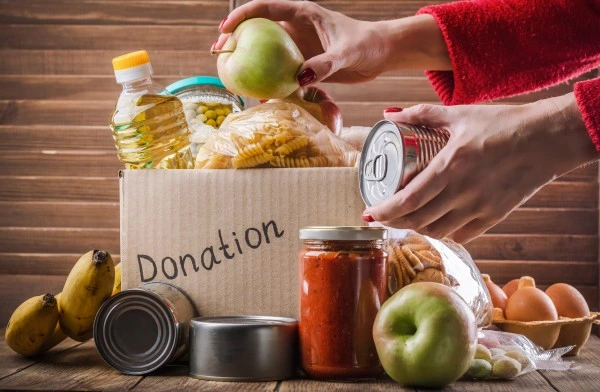
Food donation involves giving surplus food, groceries, fresh produce or prepared meals to individuals and organisations working to address hunger.
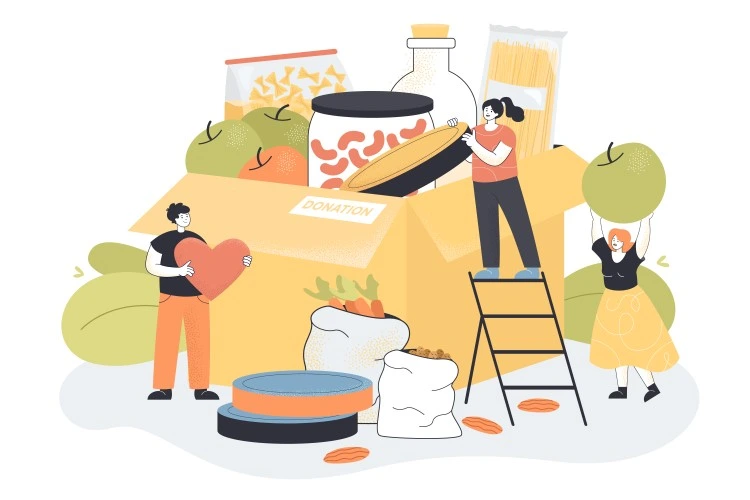
It can take several forms, including:
- Donating packaged groceries to food banks.
- Providing freshly cooked meals to homeless people.
- Sharing surplus fruits and vegetables with charitable organisations.
- Supporting community kitchens and feeding programmes.
- Organising food collection drives in residential communities.
- Helping farmers distribute surplus agricultural produce.
Food donation plays an important role in addressing food insecurity. It also encourages people to become more conscious of their consumption habits and the resources required to produce food.
Understanding the Problem of Food Insecurity
Food insecurity occurs when individuals or families cannot consistently access sufficient, safe and nutritious food.
People experiencing food insecurity may include:
- Homeless individuals.
- Low-income families.
- Elderly people living alone.
- Widowed and abandoned women.
- Single mothers and children.
- Migrant workers.
- People affected by natural disasters.
- Individuals experiencing unemployment or financial difficulties.
For these communities, receiving regular meals can provide much-needed relief and improve their quality of life.
Recognising the Connection Between Food Waste and Hunger
Food waste and hunger exist side by side in many parts of the world. Agricultural produce may remain unharvested, supermarkets may have surplus stock, restaurants may prepare more food than they sell, and households may discard edible leftovers.
Much of this food can potentially benefit people experiencing hunger if it is collected, handled and distributed safely.
The idea is simple: food that is still suitable for consumption should be given an opportunity to nourish someone rather than being unnecessarily discarded.
Methodology of Food Donation
An effective food donation programme requires planning, coordination and responsible management. The objective should be to ensure that suitable food reaches the right people at the right time.
Identifying Sources of Surplus Food
The first step is identifying potential sources of surplus food.
These may include:
- Farms with excess fruits and vegetables.
- Grocery stores with suitable surplus inventory.
- Hotels and restaurants with safely handled excess food.
- Food manufacturers with surplus packaged products.
- Community events and celebrations.
- Households with unopened, unexpired food items.
Farmers can play a particularly important role by donating produce that might otherwise remain unused because of harvesting or market-related challenges.
Connecting Food Donors with Charitable Organisations
Food donors need reliable organisations that can collect, store and distribute food.
Non-governmental organisations, community kitchens, food banks, religious institutions and local charities can help establish these connections.
A well-organised system ensures that donations reach beneficiaries efficiently instead of remaining unused in storage.
Assessing Nutritional Value and Food Quality
Food donations should focus on nutritional quality rather than simply quantity.
Fresh fruits, vegetables, whole grains, pulses, cereals and other nutritious ingredients can contribute to balanced meals.
Food should be checked for:
- Freshness and quality.
- Proper packaging.
- Expiry or best-before information.
- Safe storage conditions.
- Signs of contamination or spoilage.
Food safety should always take priority over the desire to donate large quantities.
Process of Donating Food
Step 1: Identify the Beneficiaries
Understand the needs of the people receiving food.
Children, elderly individuals, pregnant women, homeless people and low-income families may have different nutritional requirements.
Consulting local organisations helps donors understand which foods are most useful.
Step 2: Choose Suitable Food Items
Select food that is nutritious, safe and appropriate for the intended beneficiaries.
Commonly useful donations include:
- Rice and wheat.
- Pulses and lentils.
- Canned vegetables.
- Packaged cereals.
- Cooking oil.
- Unopened milk products with appropriate storage.
- Fresh fruits and vegetables.
- Other non-perishable groceries.
The receiving organisation should be consulted before donating perishable or prepared food.
Step 3: Maintain Food Hygiene
Food must be handled responsibly throughout the donation process.
Freshly prepared meals should be cooked in hygienic conditions, packed appropriately and delivered within safe time and temperature limits.
Packaged food should have intact packaging and clear labels. Items that are spoiled, contaminated, opened or past their permitted consumption date should not be donated.
Step 4: Arrange Collection and Distribution
Food can be collected through community centres, schools, residential associations, supermarkets and charitable organisations.
Volunteers can help sort, pack and transport donations.
An organised distribution system prevents unnecessary delays and ensures that food reaches people while it remains safe to consume.
Step 5: Monitor and Improve the Programme
Food donation programmes should regularly assess their effectiveness.
Organisers can monitor:
- The quantity of food collected.
- The number of people served.
- The nutritional quality of meals.
- Food wastage during distribution.
- The regularity of donations.
- Feedback from beneficiaries.
This information helps improve future programmes and ensures that resources are used effectively.
Benefits of Donating Food
Reduces Hunger and Malnutrition
The most immediate benefit of food donation is helping people access meals they might otherwise struggle to afford.
Regular access to nutritious food supports general health, energy levels and well-being.
For children, balanced nutrition is particularly important for growth and development. For elderly individuals, access to regular meals can help prevent inadequate food intake.
Supports Vulnerable Women and Children
Women who are widowed, abandoned, homeless or economically disadvantaged may face considerable difficulties in obtaining regular meals.
Single mothers may also struggle to balance household expenses, childcare and employment.
Organised feeding programmes can provide these women and their children with nutritious meals while helping them preserve their dignity and independence.
The Akshaya Patra Foundation’s initiative to provide freshly cooked meals to homeless mothers in Vrindavan is an example of how targeted food assistance can support vulnerable women.
Reduces Food Waste
Food donation helps prevent edible food from entering waste streams.
Agricultural produce, groceries and surplus food from businesses can be redirected towards communities facing food shortages.
This is particularly important because producing food requires land, water, energy, labour and transportation.
When edible food is wasted, these resources are also wasted.
Protects the Environment
Reducing food waste contributes to environmental sustainability.
When food decomposes in landfills, it can generate methane, a powerful greenhouse gas.
Food recovery initiatives can reduce the amount of edible food sent to landfills while making better use of agricultural and commercial resources.
Encourages Community Participation
Food donation brings people together through a shared purpose.
Schools, offices, neighbourhood associations, religious organisations and local businesses can organise food drives and community kitchens.
Such activities encourage compassion, cooperation and social responsibility.
Promotes Human Dignity
Food assistance should not make beneficiaries feel helpless or inferior.
Respectful distribution systems allow individuals to receive support without embarrassment.
Shopping-style food pantries, where people can select suitable groceries according to their requirements, are one way to promote choice and dignity.
Successful Food Donation Initiatives Around the World
Urban Gleaners: Rescuing Surplus Food in Portland
Urban Gleaners, a nonprofit organisation based in Portland, Oregon, demonstrates how surplus food can be transformed into an important community resource.
The organisation collects surplus food from farms, grocery stores and other sources before it enters the waste stream.
One interesting aspect of its work is its prepared-meal programme. Chefs use donated ingredients to create nutritious, restaurant-quality meals. Volunteers subsequently pack and distribute these meals through community locations, schools and neighbourhood food markets.
The organisation also distributes fresh produce and other groceries to people experiencing food insecurity.
Its approach demonstrates that food recovery requires more than collecting unwanted food. It also requires suitable infrastructure, volunteers, transportation, cooking facilities and partnerships.
Urban Gleaners illustrates how local communities can turn surplus resources into meaningful assistance for people facing hunger.
Akshaya Patra: Providing Meals to Homeless Mothers
The Akshaya Patra Foundation in India has introduced a programme to support homeless and vulnerable mothers in Vrindavan.
The initiative provides freshly cooked meals to women who may be widowed, abandoned, elderly, pregnant or raising children without adequate family support.
The programme recognises that access to nutritious food is essential for the well-being and dignity of vulnerable women.
By encouraging people to sponsor meals, the initiative creates an opportunity for donors to contribute towards a regular food supply.
It also demonstrates how targeted feeding programmes can address the needs of particular groups rather than treating hunger as a single, uniform problem.
Feeding America: Building a Network of Food Assistance
Feeding America is an organisation that works with food banks and community partners across the United States.
Its food donation programmes encourage individuals, businesses, farmers and food industry organisations to support local food banks.
Food drives are another important part of its approach. Communities can collect suitable groceries or raise funds to support food assistance programmes.
An important lesson from this model is that food banks have different requirements depending on their locations and the needs of the people they serve.
Consequently, donors should check with local food banks before contributing food items.
Practices for Effective Food Donation
Organise Community Food Drives
Residential associations, schools, colleges and workplaces can organise regular food collection campaigns.
Participants can contribute non-perishable groceries such as rice, pulses, cereals and canned foods.
A collection schedule and clearly communicated donation guidelines make these activities easier to manage.
Support Local Farmers
Farmers may sometimes have surplus agricultural produce that cannot be sold through conventional markets.
Community organisations can establish partnerships with farmers to collect suitable fruits and vegetables and distribute them to nearby food banks and charitable kitchens.
This approach supports both farmers and communities experiencing food insecurity.
Encourage Restaurants and Supermarkets to Participate
Restaurants, hotels and supermarkets can work with authorised food recovery organisations to identify suitable surplus food.
Clear food safety procedures must be followed, particularly when handling cooked meals and perishable products.
Businesses can also contribute through financial sponsorship, transportation and storage facilities.
Promote Food Donation During Celebrations
Weddings, festivals, birthdays and community celebrations often involve preparing large quantities of food.
Organisers can estimate requirements more carefully and arrange for suitable surplus food to be collected by an authorised organisation.
Food should be transferred promptly and safely rather than left unattended for long periods.
Encourage Financial Contributions
Sometimes, donating money can be more useful than donating groceries.
Charitable organisations can use financial contributions to purchase ingredients in bulk, pay for transportation, maintain refrigeration facilities and employ trained staff.
Donors should choose credible organisations and understand how contributions are utilised.
Food Safety and Responsible Donation
Food donation must always be guided by safety and hygiene.
A generous contribution can become harmful if food is contaminated, stored improperly or distributed after it becomes unsafe.
Some important precautions include:
- Donate food in its original, undamaged packaging whenever possible.
- Check expiry dates and storage instructions.
- Avoid donating spoiled or mouldy produce.
- Maintain appropriate temperatures for perishable foods.
- Use clean containers for prepared meals.
- Label food clearly, including relevant preparation and storage information.
- Coordinate with the receiving organisation before delivering cooked food.
- Follow applicable food safety requirements.
Food banks and charitable kitchens may have different acceptance policies. Donors should always follow their instructions.
Healthy Lifestyle and Social Responsibility
Food donation is closely connected with healthy living and responsible consumption.
When people become conscious of their food habits, they are more likely to plan meals, avoid excessive purchases and use ingredients efficiently.
Families can adopt simple habits such as preparing shopping lists, checking food stocks before shopping, storing food correctly and using leftovers safely.
Children can also be encouraged to participate in food donation activities. Learning to share food helps them understand empathy, gratitude and the importance of helping others.
Communities can further promote nutrition awareness by sharing information about balanced diets, healthy cooking and affordable nutritious ingredients.
The objective should not merely be to distribute food but to help people gain access to wholesome and nourishing meals.
Challenges in Food Donation and Possible Solutions
Lack of Transportation
Collecting food from farms, supermarkets and restaurants requires suitable transportation.
Possible solution: Establish local collection networks and partnerships with delivery services, volunteers and community organisations.
Inadequate Storage Facilities
Fresh produce and prepared meals may spoil without suitable storage.
Possible solution: Invest in appropriate refrigeration, storage facilities and efficient distribution schedules.
Limited Awareness
Many people are willing to donate but do not know where or how to contribute.
Possible solution: Conduct awareness campaigns through schools, social media, community groups and workplaces.
Food Safety Concerns
Organisations may hesitate to accept prepared food because of contamination risks.
Possible solution: Establish clear handling, packaging, transportation and temperature-control procedures.
Irregular Donations
Food banks may receive large quantities of food during festivals or special occasions but experience shortages at other times.
Possible solution: Encourage regular contributions and establish monthly or recurring donation programmes.
How Individuals Can Make a Difference
Everyone can contribute towards reducing hunger, regardless of income or social background.
Some practical ways to participate include:
- Donate unopened, suitable groceries to local food banks.
- Sponsor meals through credible charitable organisations.
- Volunteer at community kitchens.
- Participate in neighbourhood food drives.
- Encourage restaurants and supermarkets to support food recovery.
- Help local farmers distribute surplus produce.
- Share information about responsible food donation.
- Plan household purchases to reduce food waste.
- Support organisations providing meals to homeless people.
- Encourage children and young people to participate in community service.
Even small contributions can become meaningful when many people participate consistently.
Frequently Asked Questions (FAQs)
1. Why is donating food important?
Donating food helps people experiencing hunger, reduces food waste and encourages communities to support vulnerable individuals and families.
2. What foods are suitable for donation?
Unopened cereals, rice, pulses, canned foods, packaged groceries and suitable fresh fruits and vegetables are commonly accepted. Always check the receiving organisation’s requirements.
3. Can restaurants donate surplus food?
Yes. Restaurants can partner with food recovery organisations to distribute suitable surplus food, provided that food safety and transportation requirements are followed.
4. How does food donation reduce environmental pollution?
Food recovery reduces the quantity of edible food discarded in landfills. This helps prevent avoidable waste and associated greenhouse gas emissions.
5. How can children participate in food donation?
Children can help organise food drives, collect suitable packaged groceries and volunteer in age-appropriate community activities under adult supervision.
6. Can I donate money instead of food?
Yes. Financial contributions help charitable organisations purchase nutritious ingredients, maintain storage facilities and arrange transportation and meal distribution.
7. How can I find a reliable food donation organisation?
Look for established charitable organisations, community kitchens and registered food banks. Check their credibility, donation policies and the way they distribute food.
8. How can food donation programmes become sustainable?
Regular donor partnerships, efficient transportation, suitable storage, community participation and transparent management can help make food donation programmes sustainable. local food-shari
Conclusion
Donating food is a simple yet powerful way to create positive social change. It addresses hunger, reduces food waste, supports vulnerable communities and encourages environmental responsibility.
Initiatives such as Urban Gleaners demonstrate how surplus agricultural produce and donated ingredients can be transformed into nourishing meals. The Akshaya Patra Foundation highlights the importance of providing regular meals to homeless and vulnerable mothers. Feeding America’s network demonstrates the value of partnerships between food donors, businesses, food banks and communities.
These examples show that addressing hunger requires collective effort, careful planning and sustained commitment.
Food is more than a commodity; it is an essential resource that sustains life and brings people together. By donating responsibly, supporting ng initiatives and reducing household waste, everyone can contribute towards a more compassionate and sustainable society.
A meal shared with someone in need can make a meaningful difference. When communities work together, the simple act of sharing food can become a powerful step towards a hunger-free world.
Reviewed by Jamuna Rangachari

